
Myaamia Center celebrates 25 years at Miami
The Myaamia Center came into existence in 2001 when the Miami Tribe of Oklahoma approached the university about helping to revitalize the Myaamia language and culture.
This year marks the 25th anniversary of the Myaamia Center at Miami University – an initiative created for citizens of the sovereign Nation for which the school is named.
The Myaamia Center
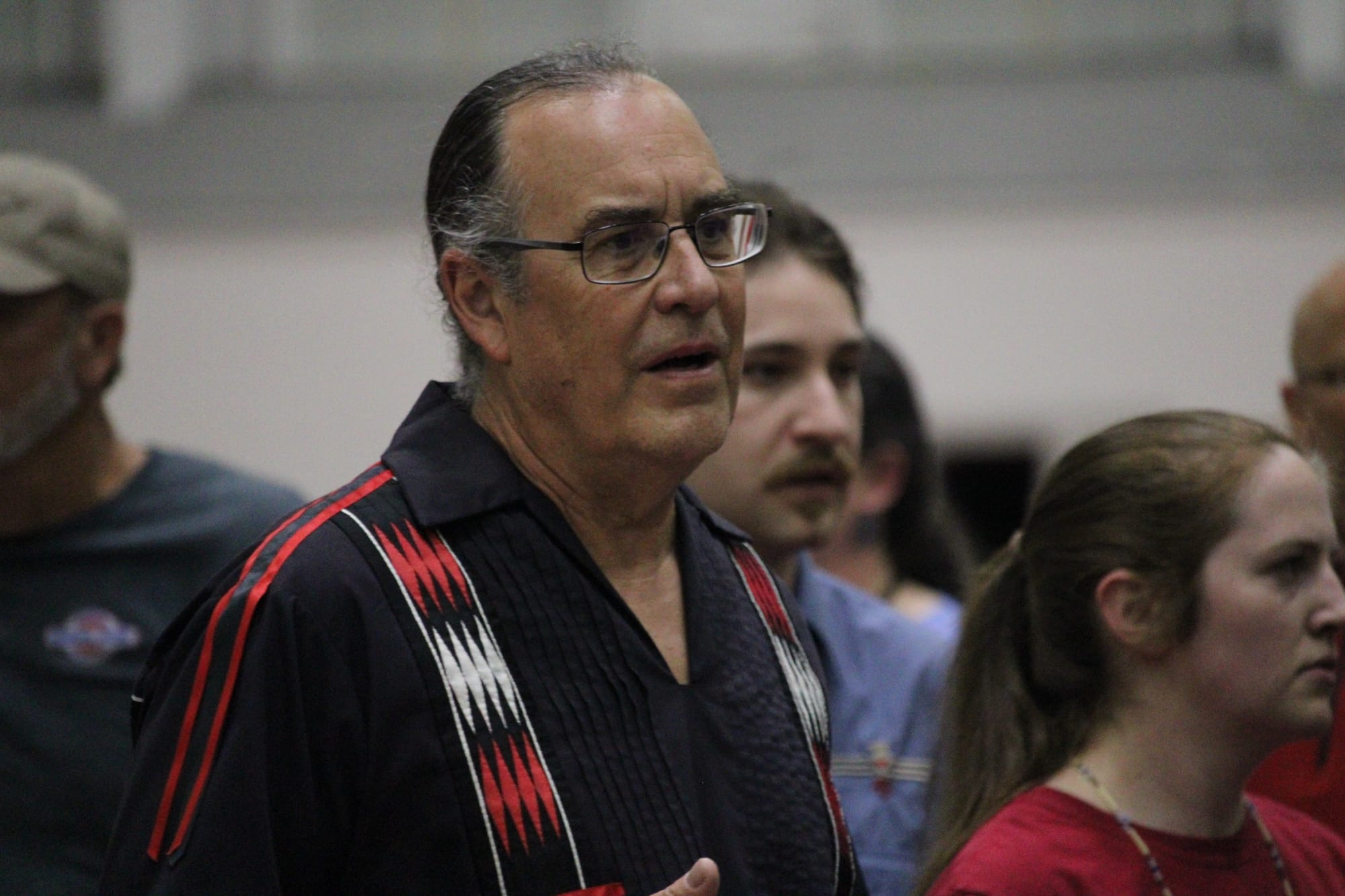
Daryl Baldwin, executive and founding director of the Myaamia Center, said the relationship between the Miami Tribe of Oklahoma and Miami University began in 1972. In 1991, the scholarship, which eventually developed into the Myaamia Heritage Award Program, was established, which allowed for citizens of the Miami Tribe of Oklahoma to attend the university with a fee waiver.
The Myaamia Center, he said, came into existence in 2001 when the Miami Tribe of Oklahoma approached the university about helping to revitalize the Myaamia language and culture.
That year, the Myaamia Project was created and given three years of funding. By 2013, the project had grown into a full-fledged center for learning. Today, the Myaamia Center, funded by the Miami Tribe of Oklahoma and located on the Oxford campus, exists to research, promote and teach Myaamia language, culture, knowledge and values.
“When I came in 2001 to establish what’s now the Myaamia Center, there were about a dozen students here,” Baldwin said. “But since the explosion of language and cultural revitalization, we’ve had a lot more engagement within the community.”
Today, there are 26 full- and part-time staff members and 46 students at the center, and Baldwin said around 120 students have graduated through the Myaamia Heritage Award Program.
Growing up in northwest Ohio, Baldwin said he always knew he had Myaamia heritage, but was born into a “period of loss” where there wasn’t much information available to understand what it meant. By his 20s, he began a period of self-discovery and thought learning the Myaamia language would be one way to do so.
After traveling to find speakers of the language and realizing they had all passed, he began pursuing archival materials and was connected with David Costa, a graduate student at the University of California, Berkeley, who had made it his dissertation topic.
The two found nearly 250 years' worth of documentation about the language, which would eventually spring into the revitalization efforts and expand to art, dance, music and other cultural aspects. Now, he said, for the first time, he doesn’t need to worry about his grandkids entering the world and having nothing to learn about their Myaamia heritage.
“The work that we’re involved in is a huge investment and an attempt to heal from our past,” Baldwin said. “In the last 200 years, there’s been a concerted effort to wipe tribes out, to abolish our languages, abolish our cultures, forcibly relocate us from our homelands, move us to reservations west, send our kids to boarding school, punish them for being able to speak their languages or practice their customs.”
Baldwin continued, “We’re finally coming out of that period, and more recently, there’s an attempt to revitalize those aspects of our tribal Nation, our languages, our cultures.”
He said of the center, “In many ways, it’s a response to our history, but it’s also a healing process for many of our communities, and it’s also an important investment into our future to maintain that sense of who we are as Myaamia people. So that’s the work of it all.”
Michael Sekulich graduated from Miami last spring, and his sister Delaney Sekulich is a first-year student. Both have participated in programming through the Myaamia Center and became involved through their older sister, Megan Sekulich, who is now the Myaamia Education Graphic Design Specialist.
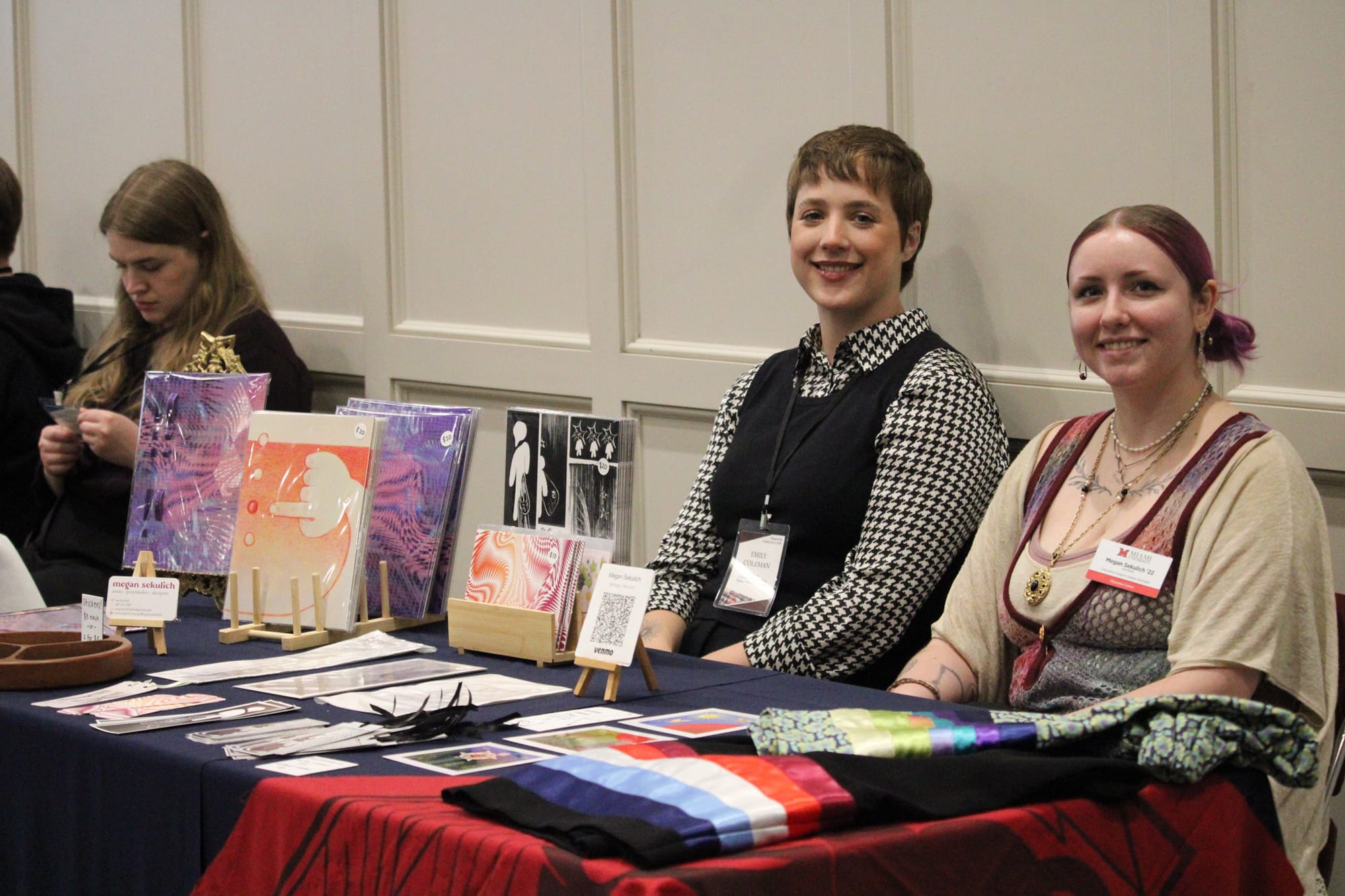
The siblings knew they were Myaamia through their grandmother, but they’re from northern Illinois and weren’t involved much in the Miami Tribe of Oklahoma when they were young. They came to Miami through the Myaamia Heritage Program.
Through the program, Michael said they’ve learned about traditional Myaamia art, ribbon work, language, dance and other aspects of Myaamia culture.
“Coming to college, it was nice to have an already-established sense of community,” Michael said. “Because I had cousins and siblings already here, it was really easy to get involved.”
The celebration
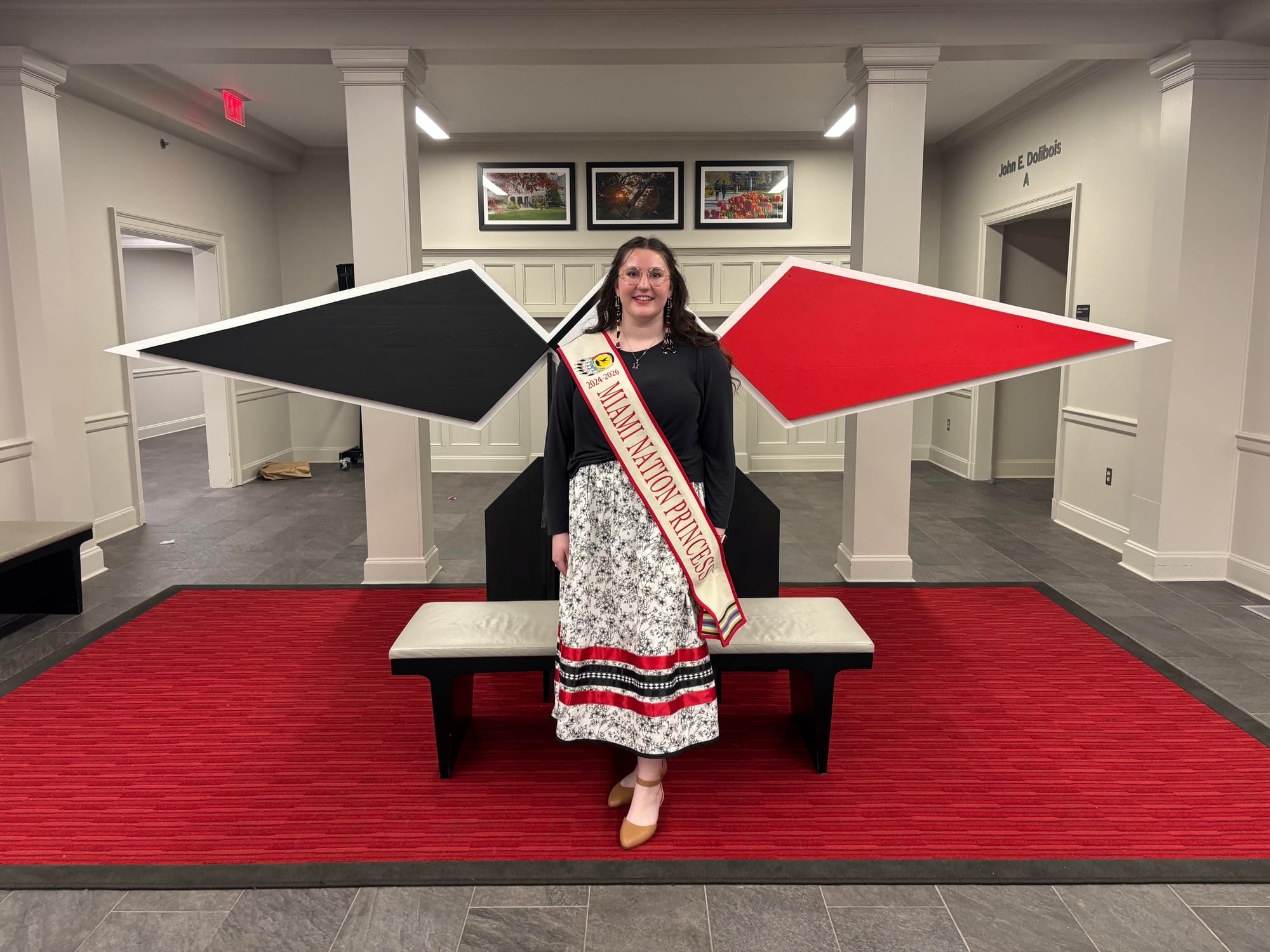
The 11th Biennial Myaamiaki Conference, celebrating the center’s 25 years and presenting its efforts to the community, was on April 18. Attendees heard presentations about the future of tribal-university relationships, the National Breath of Life Apprenticeship Program and a Myaamia education portal, among other topics.
Several Myaamia artists also sold their work during the conference. Videos of the conference presentations are now available on the center’s website.
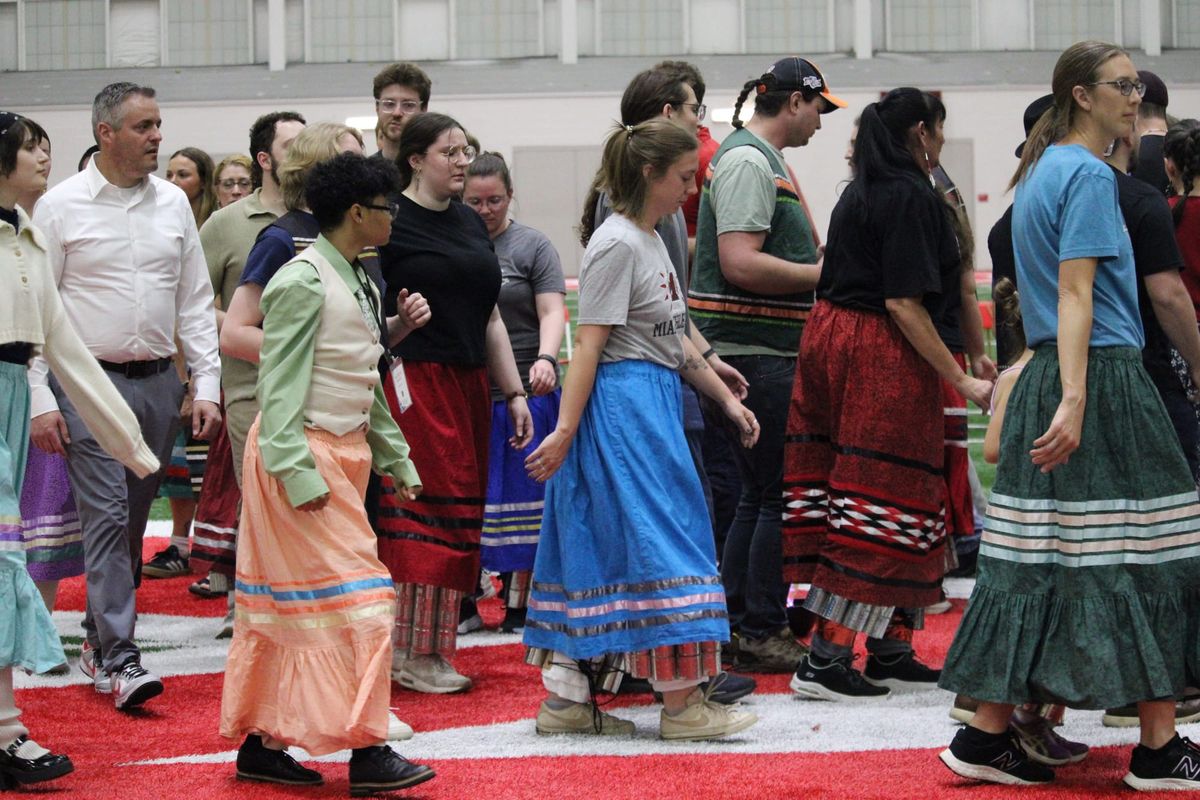
The night before the Myaamiaki Conference, citizens of the Miami Tribe of Oklahoma and other Indigenous communities kicked off the 25th celebration with a Stomp Dance.
George Ironstrack, assistant director of the Myaamia Center and citizen of the Miami Tribe of Oklahoma, said the Stomp Dance is a social dance and a way for people to come together and celebrate.
Male singers are at the front of a line that turns in a counterclockwise spiral in a male-female-male pattern. The men provide music for the dance through call-and-response, stringing together four to eight songs in a row, while the women provide the rhythm by wearing shakers tied around their ankles.
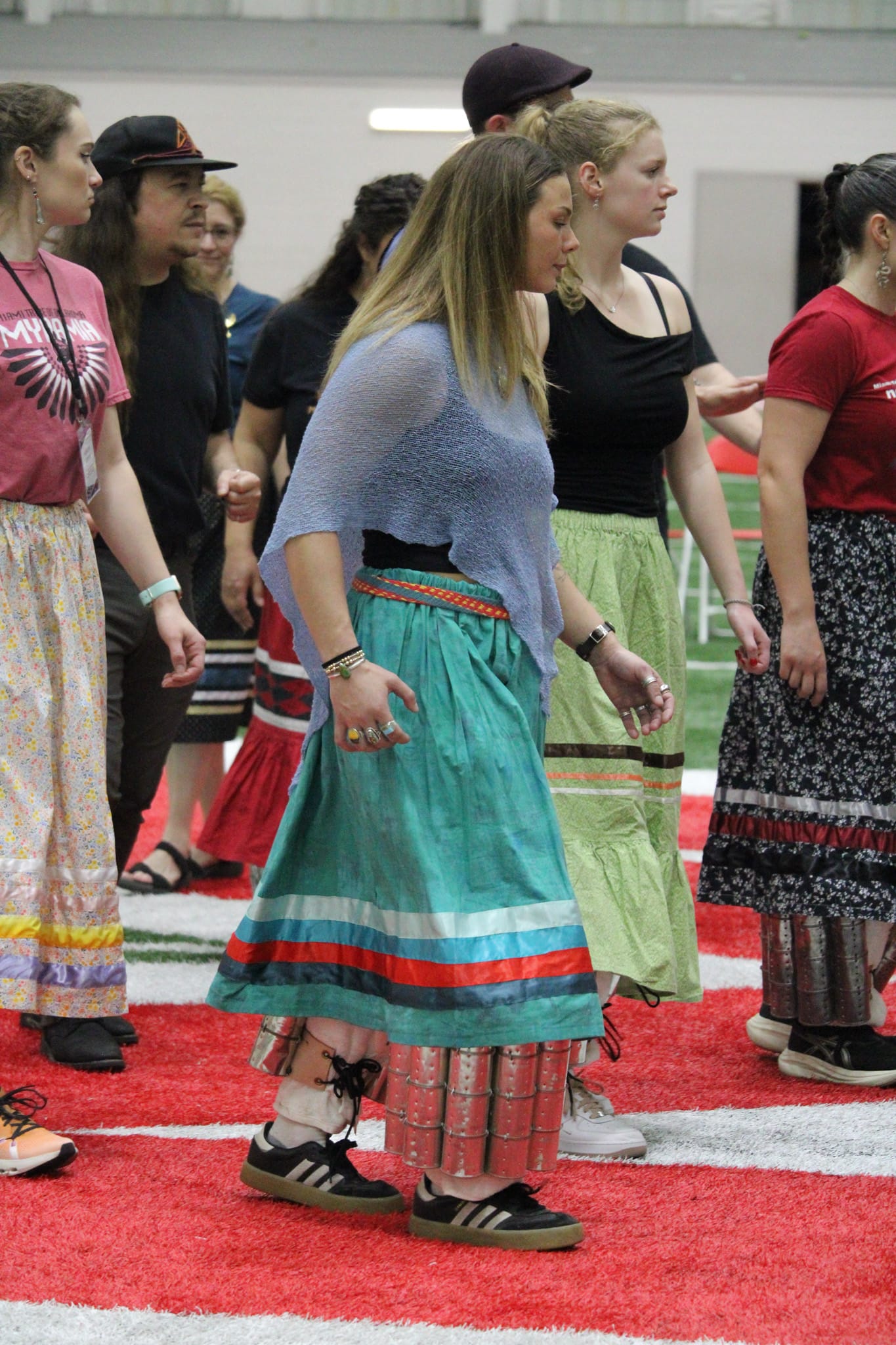
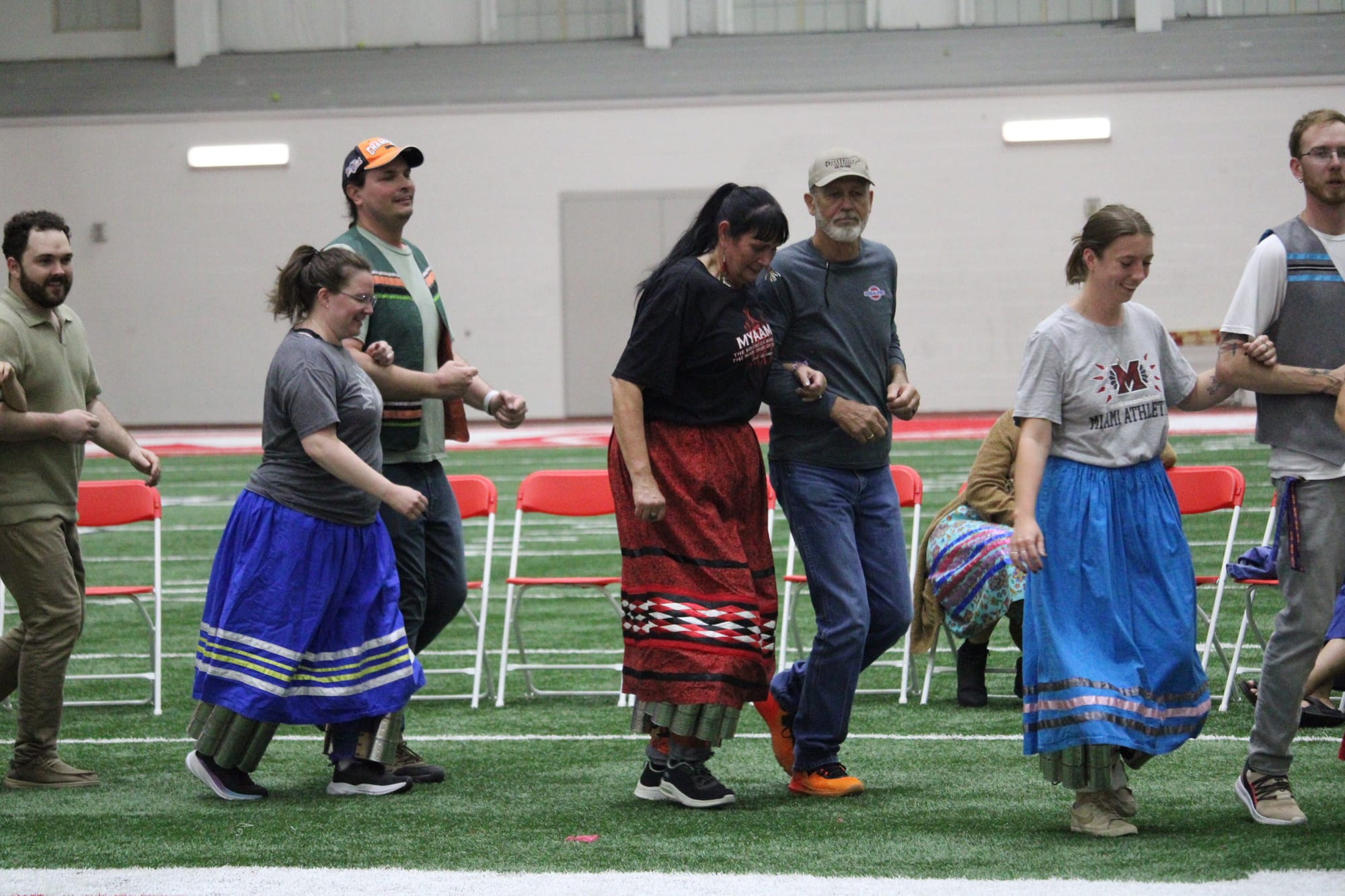
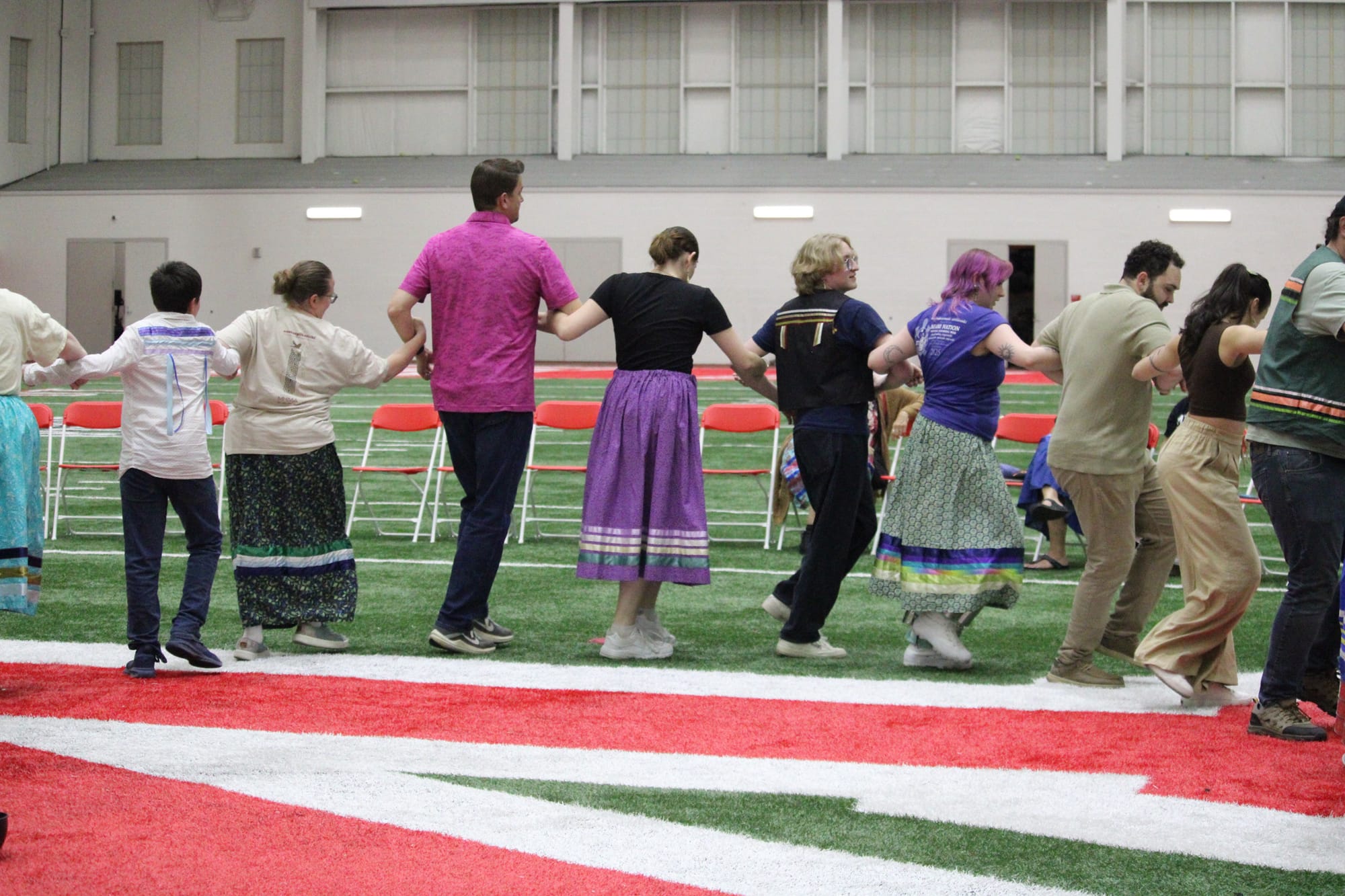
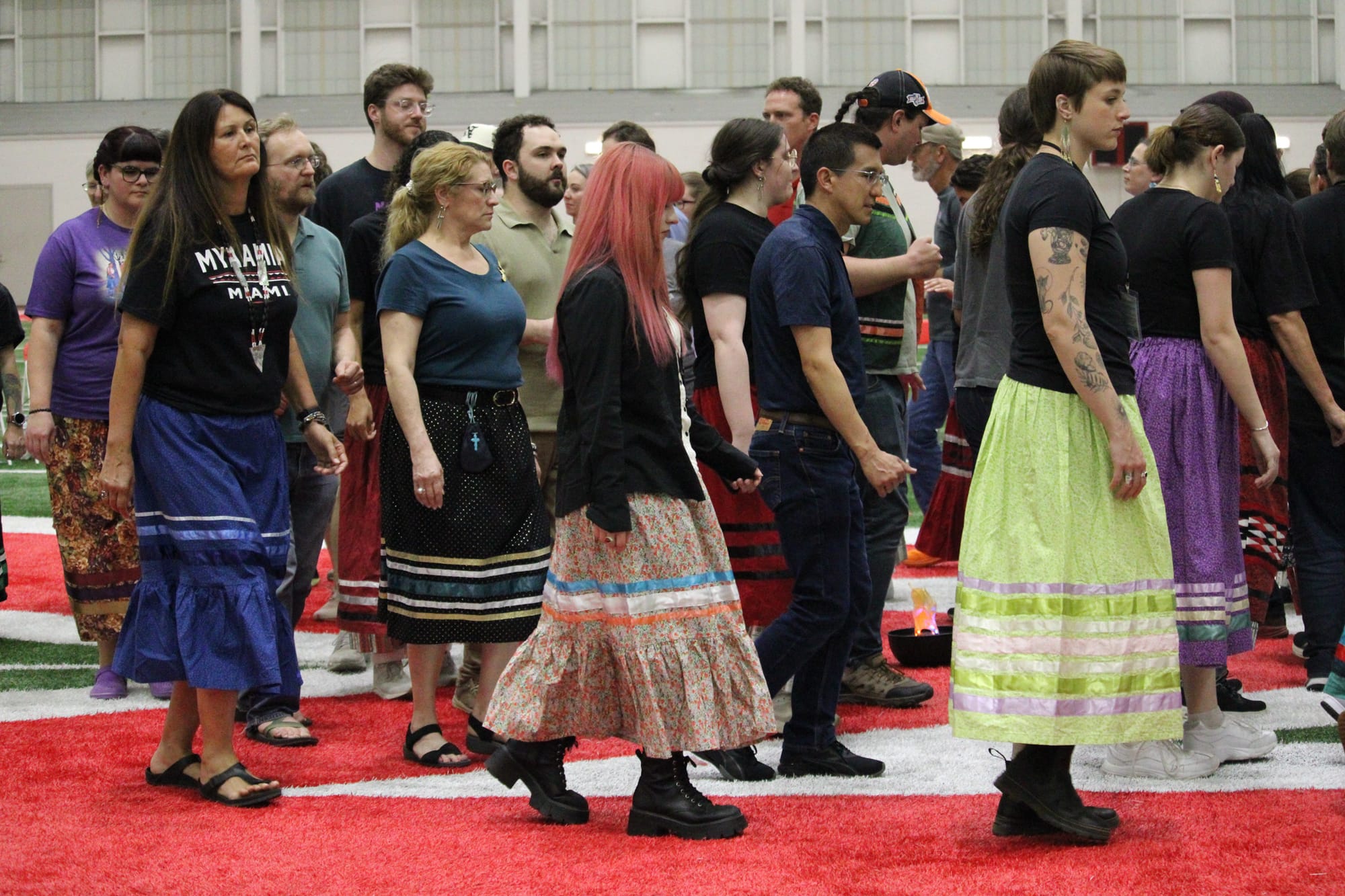
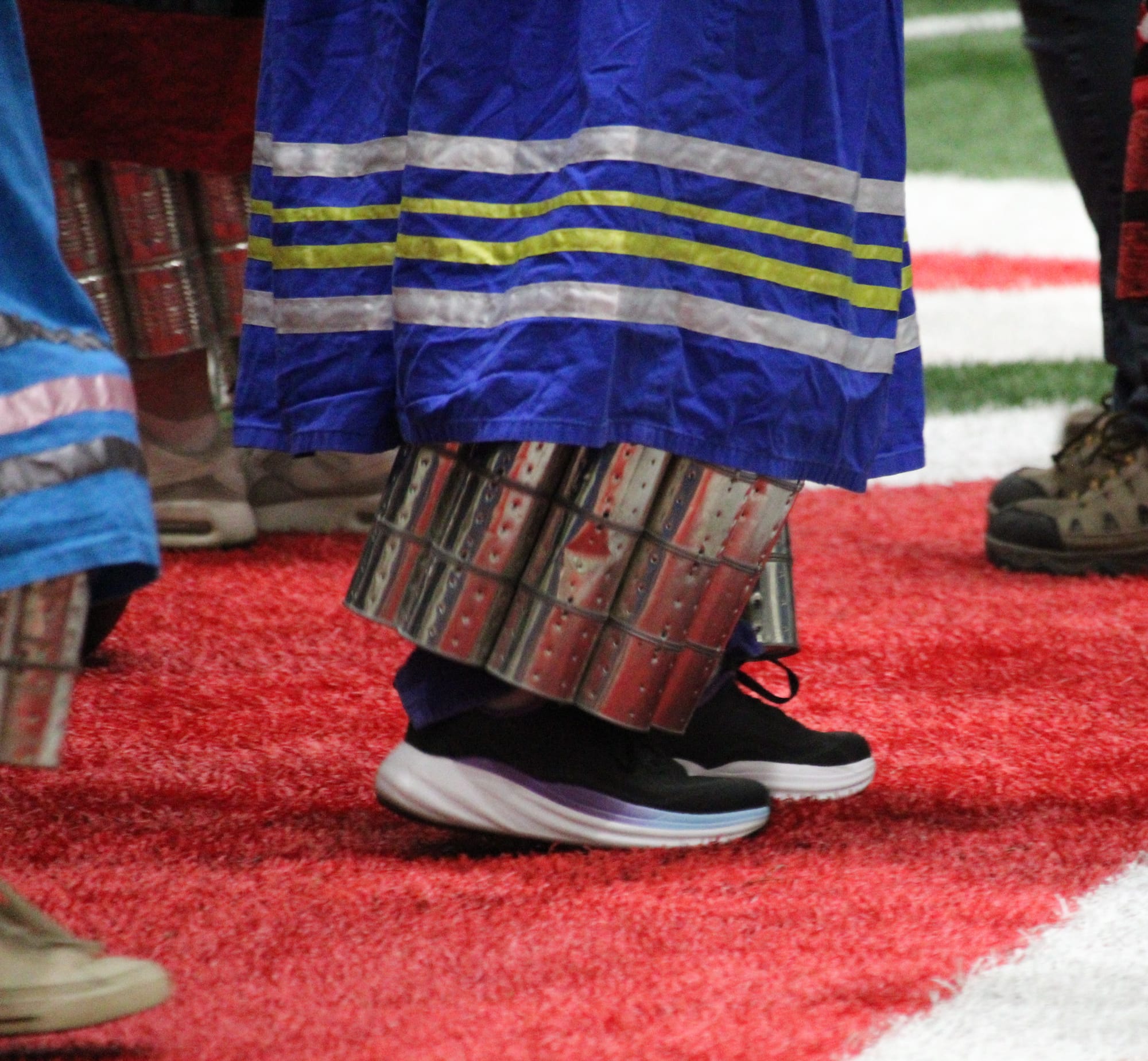
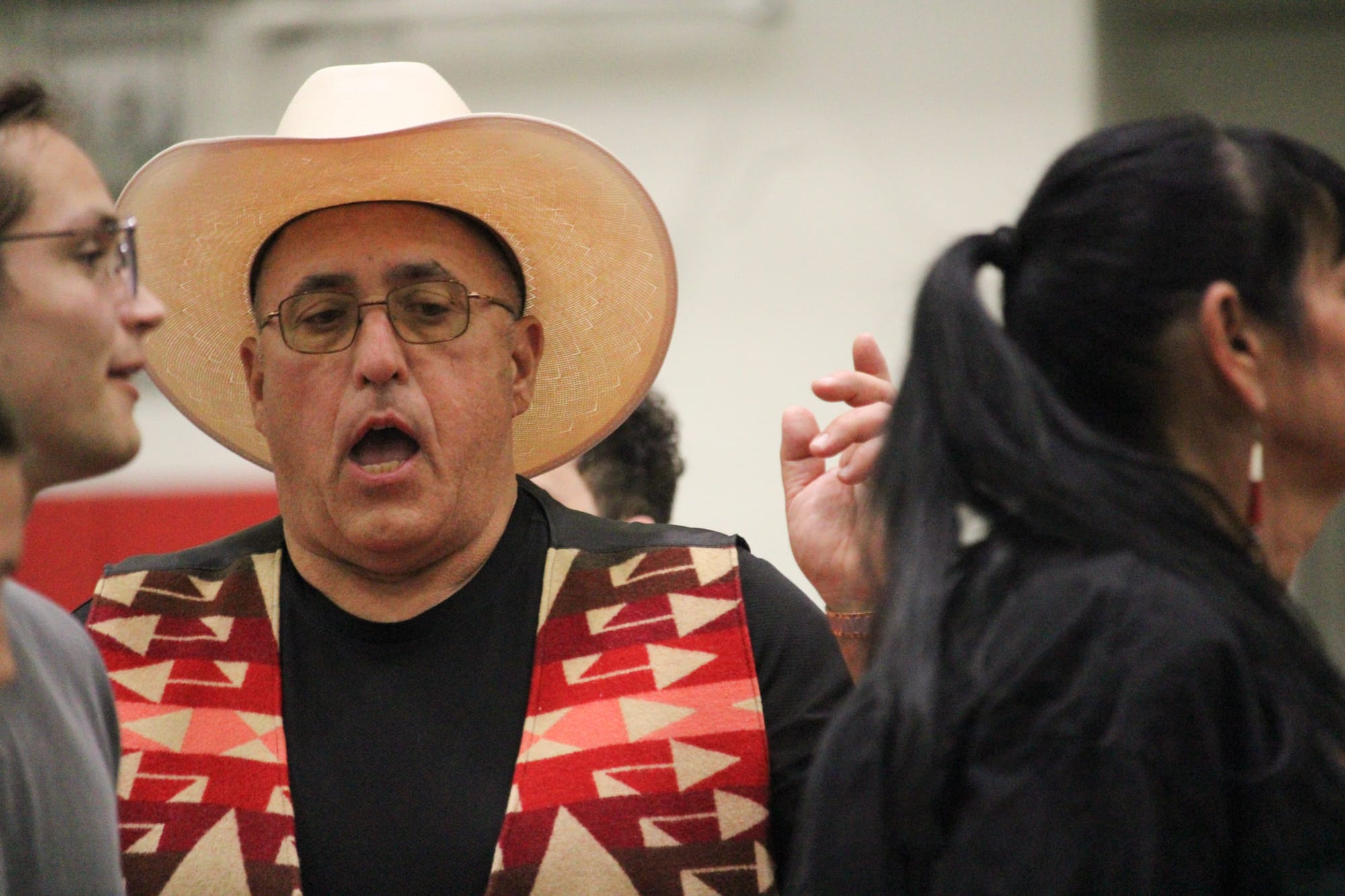
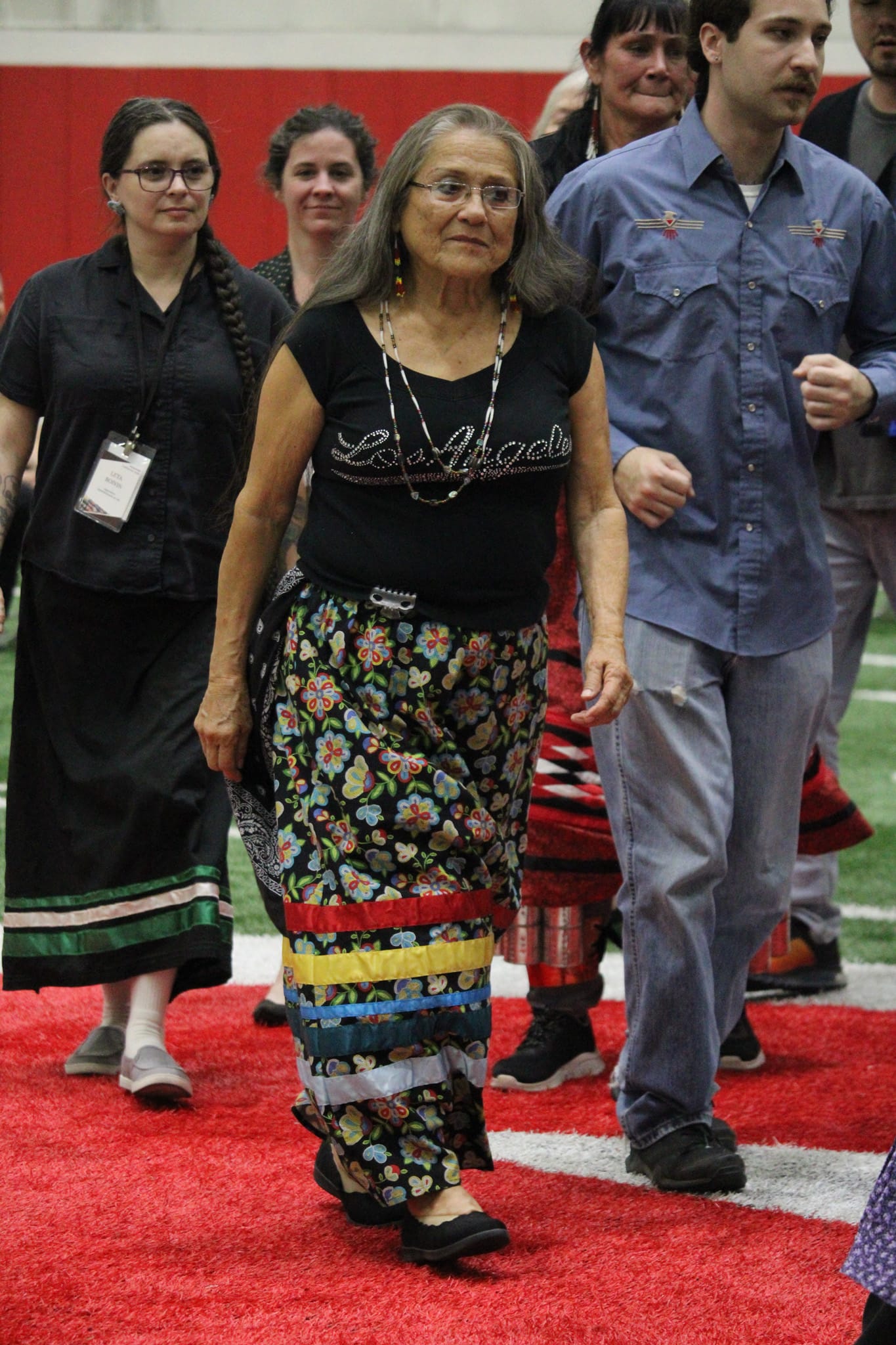
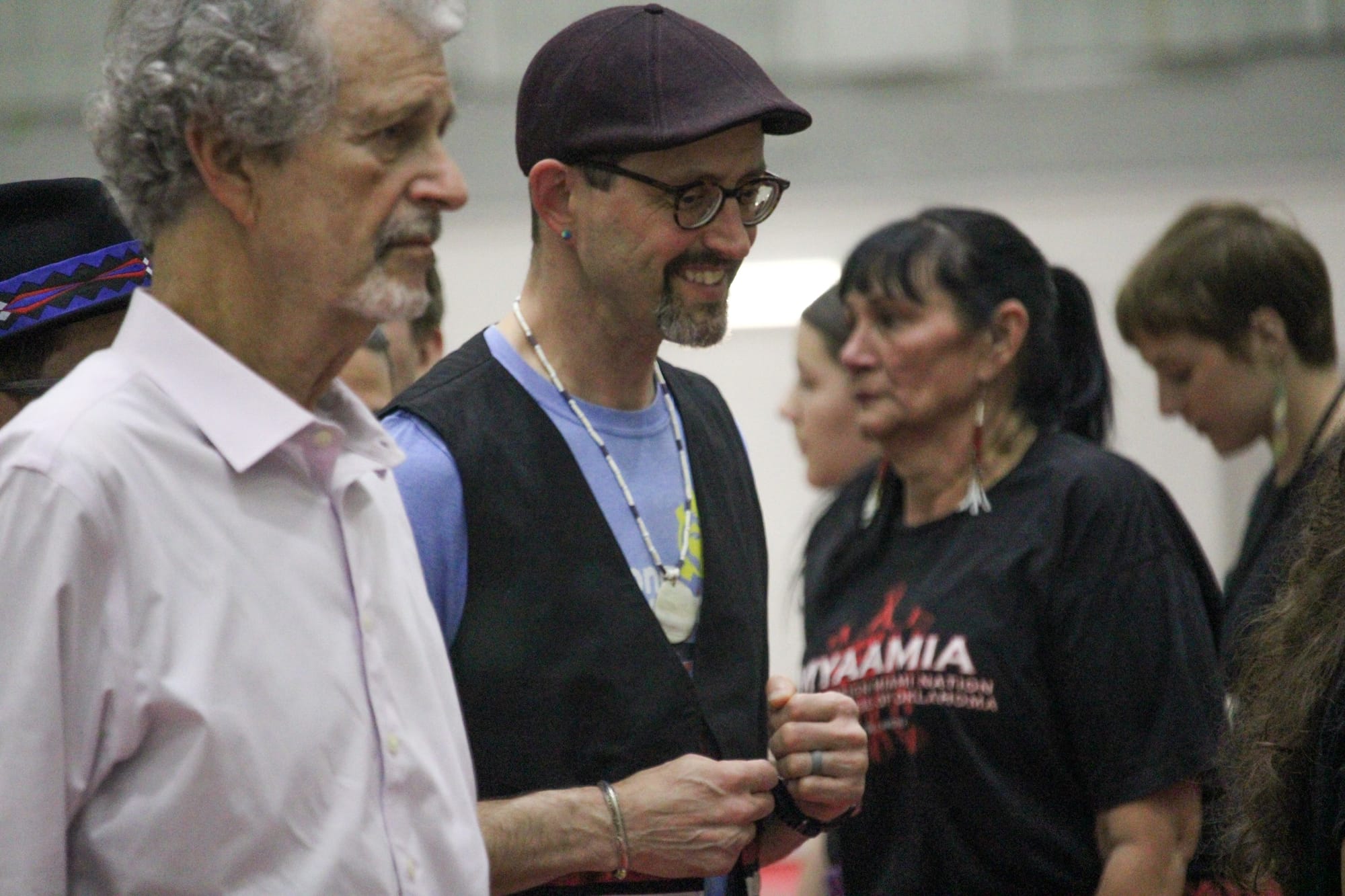
Citizens of the Miami Tribe of Oklahoma and other Indigenous communities participate in a Stomp Dance at Miami University on April 17, 2026. Photos by Katelyn Aluise.
Previous to European contact, Ironstrack said the shakers were made from turtle shells. Since then, they’ve been made from aluminum cans. The songs, he said, are mostly sung in what’s called vocables, wherein the meaning comes through the intent and emotion of the singer.
“I always like to describe it to our students here on campus as, you go from individuals to kind of being part of one collective organism when you're out there all dancing together,” Ironstrack said. “So it's a really powerful way to celebrate, but also to bring people together.”
Chief (Akima) Douglas Lankford of the Miami Tribe of Oklahoma kicked off the first song of the Stomp Dance.
He said overall, he’s proud of the Myaamia Center’s efforts and wants other communities to prosper like his own.
“We’re not a tribe of history,” Lankford said. “We’re a tribe of today.”
Breath of Life
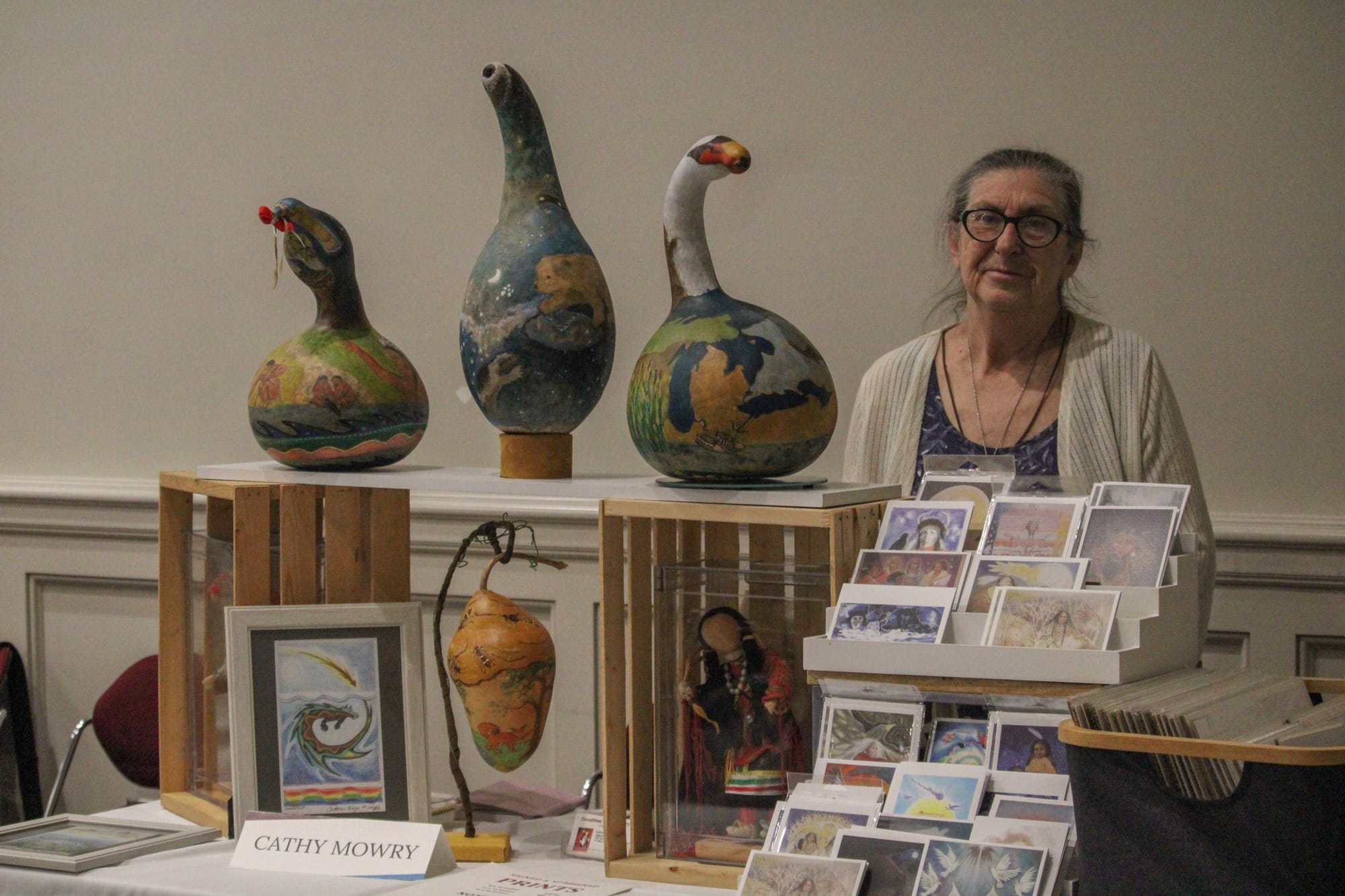
The National Breath of Life efforts at the Myaamia Center were also recognized this year, and workshops were hosted leading up to the conference.
Baldwin said for nearly 30 years, staff and students have worked with archival materials and established a set of best practices for revitalization. Now, he said the center hosts the National Breath of Life program to share its knowledge with 20 different Indigenous communities from across the country.
He said the concept for Breath of Life began in the mid-1990s through an organization called The Advocates for Indigenous California Language Survival. Originally, workshops were hosted at the University of California, Berkeley, with the purpose of assisting Indigenous communities in California to gain access to their archives.
These efforts grew in 2011 to a country-wide program, and in 2015, the National Breath of Life became embedded within the Myaamia Center.
Chief Rosanna Dobbs of the Peoria Tribe of Indians of Oklahoma was at Miami University the week of April 13 and said learning about the National Breath of Life program has been eye-opening and emotional for her.
She said of the Myaamia Center’s efforts, “I think it’s amazing. I did not realize that it was at the level that it is at and how much it has grown, and that is so promising to me. I really hope to be able to take that information to our tribe.”
Bonham House Capital Campaign
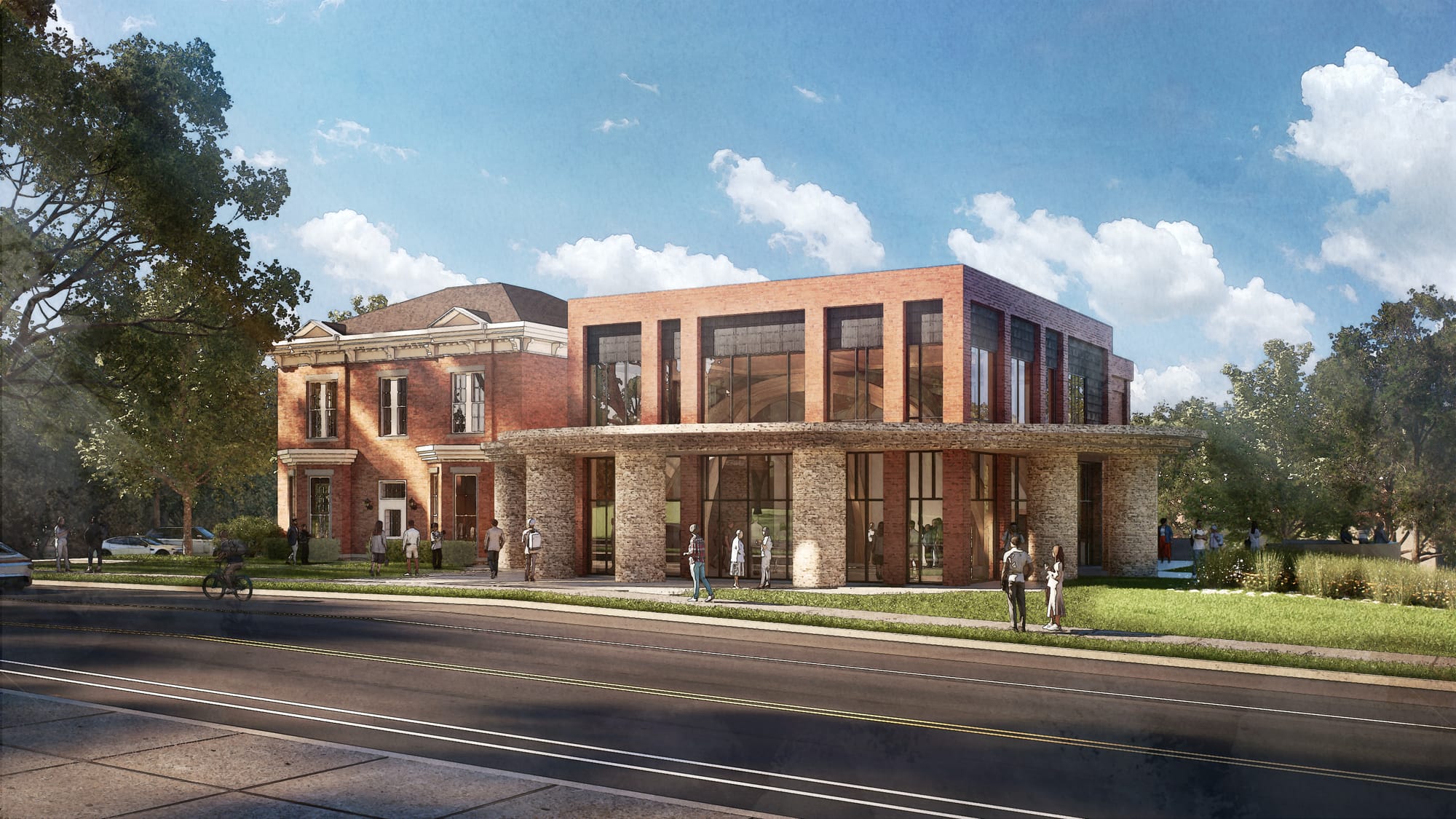
The Myaamia Center is currently attempting to raise $12 million as part of a capital campaign in celebration of 25 years and to support future renovations to the center’s current location at Bonham House on the Miami campus.
Stella Beerman, communications specialist at the Myaamia Center, is a citizen of the Miami Tribe of Oklahoma and attended the university from 2018 to 2022. She said the relationship between the center and the university has been pivotal to the center’s success.
“The Myaamia Center really focuses on being the research center and kind of an academic think hub for citizens of the Myaamia Tribe community,” Beerman said, noting the growth of the center as a whole. “We are just bursting at the seams of this building.”
Renovations will include adding space to incorporate cultural activities, a new recording studio for the center’s podcast, “Neepwaantiinki: Stories from Myaamia Revitalization,” dedicated spaces for the language team, a student hangout space, a living room space for visitors and a multi-use space that would allow the center to host events, lectures and workshops.
Beerman said an added design feature of the renovations will “make you feel like you’re outside.”
As of April 27, the campaign had raised $50,100 in donations, according to the center’s website.
During the Myaamiaki Conference on April 18, Miami University President Gregory Crawford announced the president’s office will fund one of the new spaces as part of the renovations.
Anyone wishing to contribute to the Bonham House Capital Campaign may visit the center’s website or call the center at (513) 529-5648.